 Angelini Industries
Cantina Puiatti's sustainable innovation
Share
Marine sustainability, which integrates environmental conservation and responsible management of marine resources, is one of the major challenges of our time. The oceans, which cover more than 70 percent of the Earth's surface, play an essential role in climate regulation, oxygen production and as a food resource. However, increasing anthropogenic pressures, including pollution, overfishing and climate change, threaten the health of marine ecosystems.
Take action, together
The protection of marine ecosystems requires a
collective, concrete, and continuous effort.
The marine biome, from colorful coral reefs to vast kelp forests, is not only a source of beauty and wonder, but also represents a lifeblood for the planet's biodiversity. This is why the United Nations' Sustainable Development Goal 14 (SDG 14), focused on the conservation and sustainable use of these ecosystems, is of crucial importance. Protecting life underwater, mitigating the effects of ocean acidification, and promoting the conservation of coastal and marine areas by strengthening the resilience of marine ecosystems are just some of the key points the document focuses on.
But what does it really mean to protect the sea? And what concrete actions can be taken to ensure that future generations can enjoy these natural treasures?
At the top of the priority list is the reduction of marine pollution. According to the United Nations Environment Program (UNEP), plastic pollution is a major threat to the oceans. An estimated 8 million tons of plastic end up in the seas each year, causing immeasurable damage to marine wildlife and habitats. Microplastics and other toxic chemicals enter the food chain, threatening the health of marine organisms and, consequently, human health.
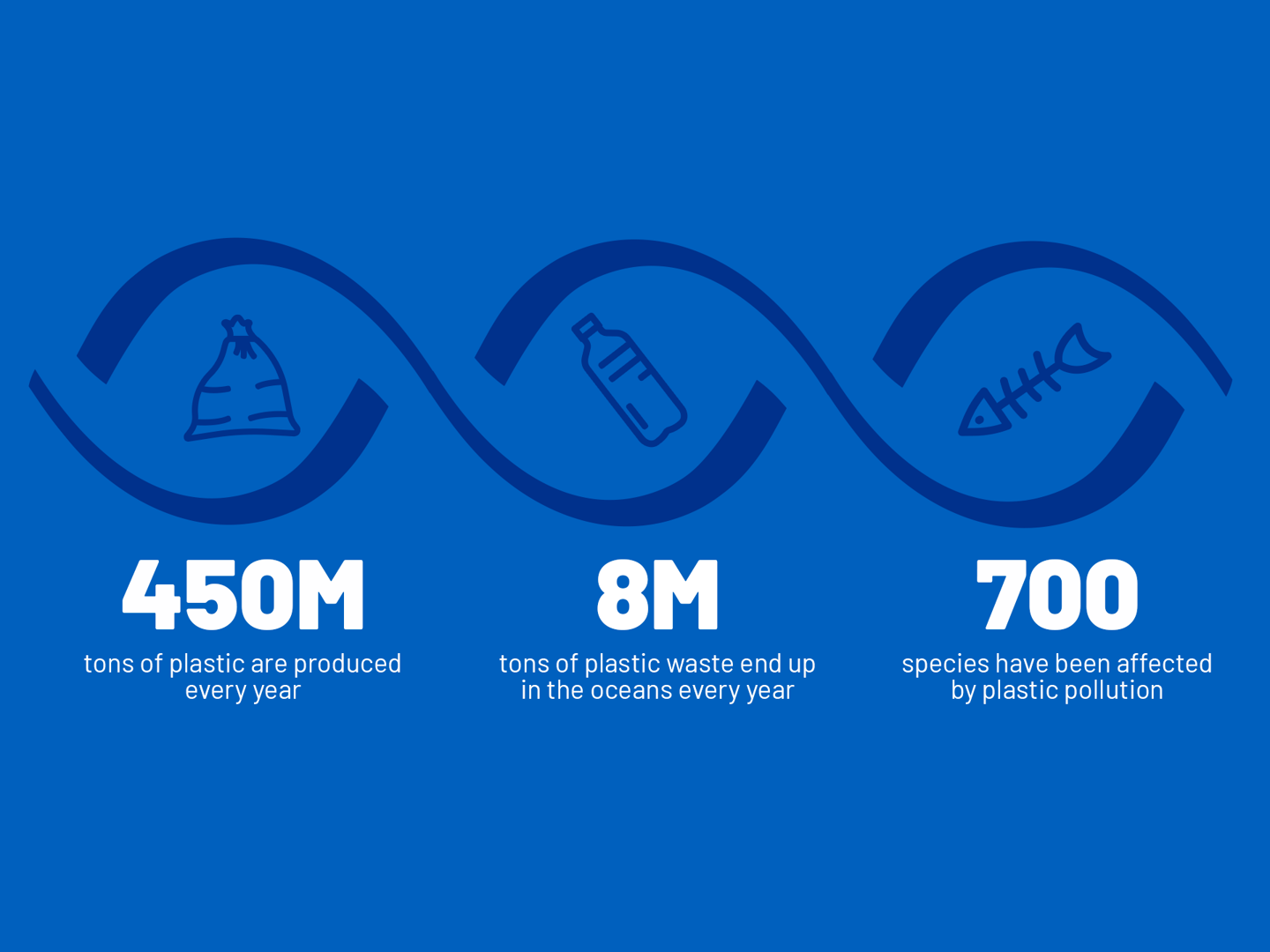
(450 million tons of plastic are produced every year. 8 million tons of plastic waste end up in the oceans each year. 700 species have been affected by plastic pollution.)
Reducing the use of single-use plastics, improving waste management practices, and promoting alternative, biodegradable materials are essential steps in addressing this crisis.
The Role of the Production Sectors: an example from the wine world
Friuli-Venezia Giulia continues to demonstrate leadership
in the wine industry, thanks to Cantina Puiatti.
To mark World Oceans Day, Angelini Wines & Estates winery launched a limited edition of its renowned Ribolla Gialla Metodo Classico featuring an unprecedented innovation: the NOMACORC Pops Ocean cap.
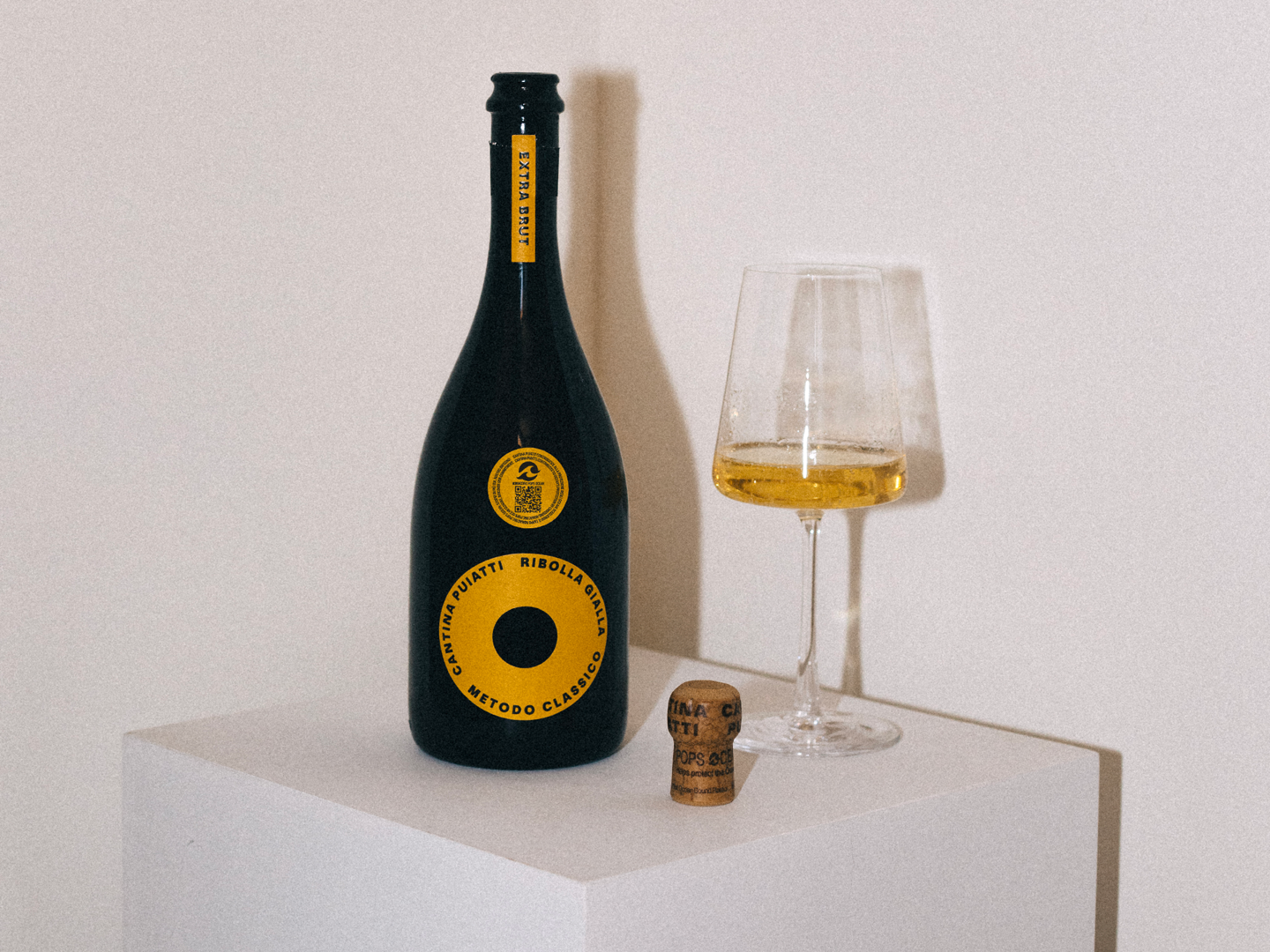
A project that originates from the values for which Cantina Puiatti has always championed: innovation, care and, above all, respect for and enhancement of the territory. Thanks to the collaboration with Vinventions - a company specialized in the production of innovative and sustainable closure solutions with extensive oenological experience - it was possible to create the first stopper for sparkling wines using recycled plastic waste destined to end up in the oceans.
The recycling choice focuses on a specific type of waste called Ocean Bound Plastic (OBP). This term, first introduced by researcher Jenna Jembeck in the article "Plastic waste inputs from land into the ocean" published in the journal Science, refers to millions of plastic objects that have completed their life cycle and have been abandoned near shorelines. OBPs, which now collectively account for 80 percent of the polluting residues floating in marine waters, as opposed to those found in landfills or collected through recycling, are thus considered a major source of ocean pollution.
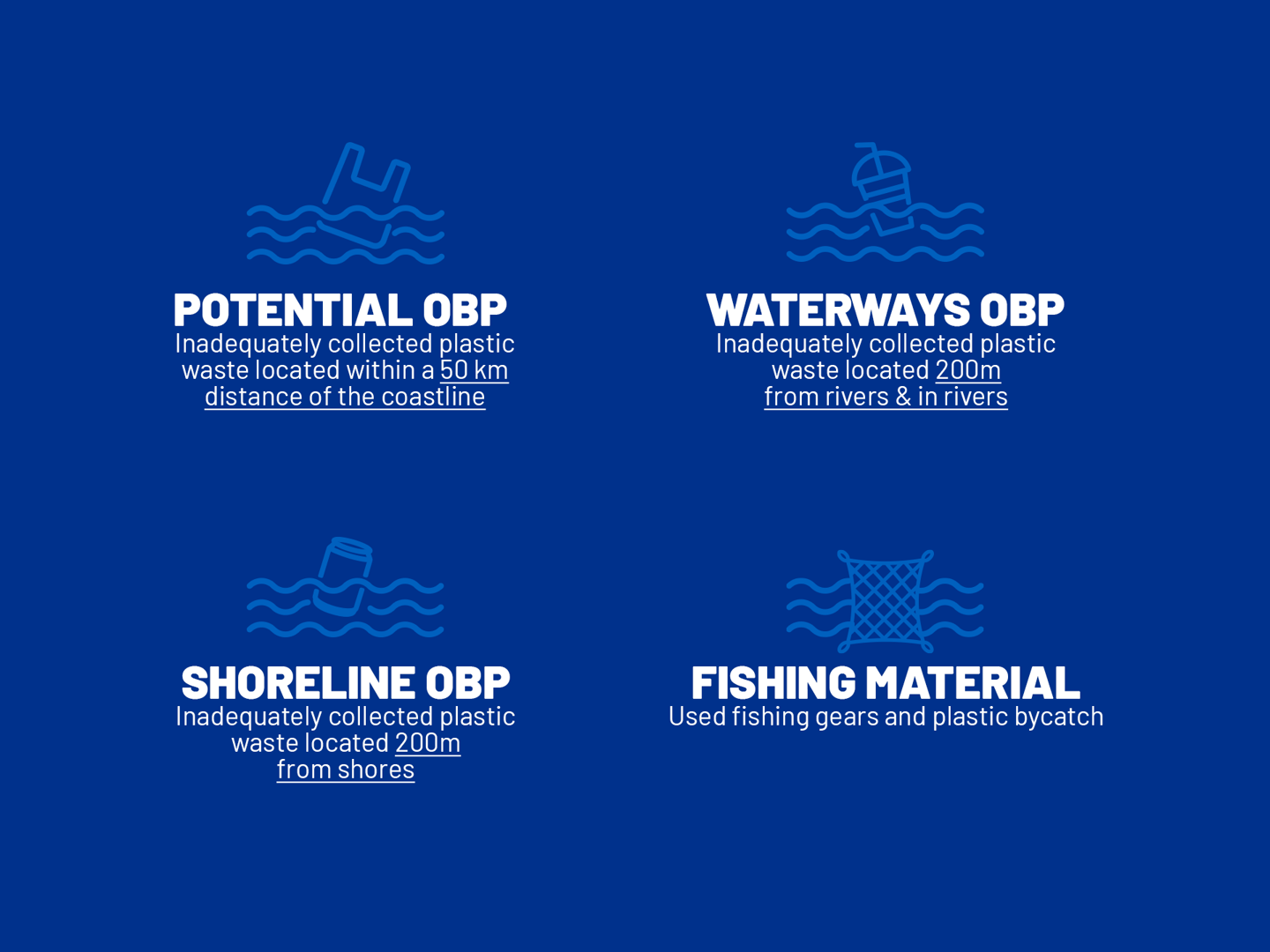
(Potential OBP: These are all improperly disposed plastics located within 50 km of the coast.
Fluvial OBP: These are synthetic polymers abandoned within 200 meters of watercourses or directly in rivers and freshwater sources.
Coastal OBP: These are microplastics found within 200 meters of beaches and reefs.
Fishing Material: such as nets and lines are considered OBP when abandoned on shore by fishermen.)
With this choice, wineries and their consumers become agents of change, promoting a circular philosophy that replaces virgin materials with recycled ones.
Among the many aspects of sustainability, the conservation of marine ecosystems is of particular importance, given their vulnerability and the essential role they play in maintaining the global ecological balance. In this context, Cantina Puiatti and Vinventions' solution goes beyond technical innovation: it represents a concrete step toward caring for and preserving the marine environment, which also necessarily passes through consumer education and awareness.
Today we recognize that true excellence is inseparable from sustainability.
The intent is to promote more responsible consumption behavior by stimulating the formation of a community of customers who are aware and informed with respect to the cause and its developments. NOMACORC Pops Ocean has exactly the same properties as a virgin raw material, ensuring the same food contact suitability and equivalent performance as the traditional product. The key difference is that it actively contributes to the reduction of marine pollution.
With this project, the wine world proves that it is a cutting-edge sector, capable of combining tradition and innovation, quality and sustainability. Initiatives like those of Cantina Puiatti and Vinventions not only enrich the area's winemaking heritage, but also inspire a better future, where environmental protection and attention to biodiversity are at the heart of wine production. This synergy between advanced technology and respect for local traditions not only raises quality standards, but also promotes sustainable practices that can set an example for the entire industry.
SOURCES
- worldwildlife.org: WWF Releases its 4th Annual Transparent Report, Unveiling Progress on Plastic Footprints for Several of the World’s Biggest Brands
- nap.nationalacademies.org: Consensus Study Report
- science.org: Plastic waste inputs from land into the ocean
- unep.org: Plastic pollution and marine litter


