 Angelini Industries
Mental Health and Violence against women: a call to action
By Agnese Cattaneo, Chief Medical Officer, Angelini Pharma
Share

Picture by Chiara Ghigliazza
On this International Day for the Elimination of Violence Against Women and Girls, an initiative launched in 2008 under the leadership of the UN Secretary-General, our minds turn towards the profound – but not mentioned enough - connection between violence and mental health, underscoring an urgent call for compassionate action. Violence against women and girls is not only a severe violation of human rights but also a pervasive public health and social crisis. The health consequences for survivors are devastating, affecting individuals, families, and entire societies.
Understanding Violence Against Women
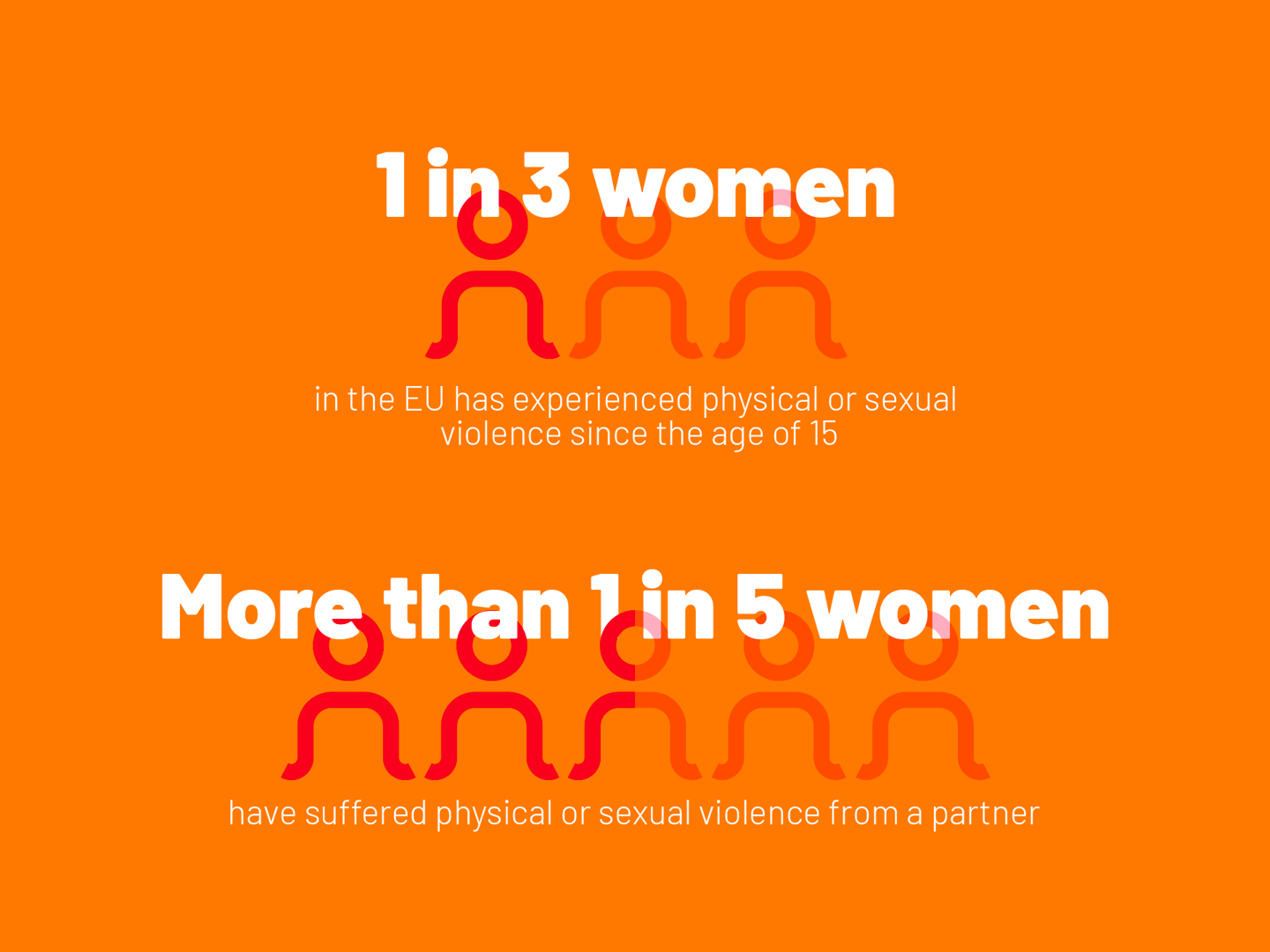
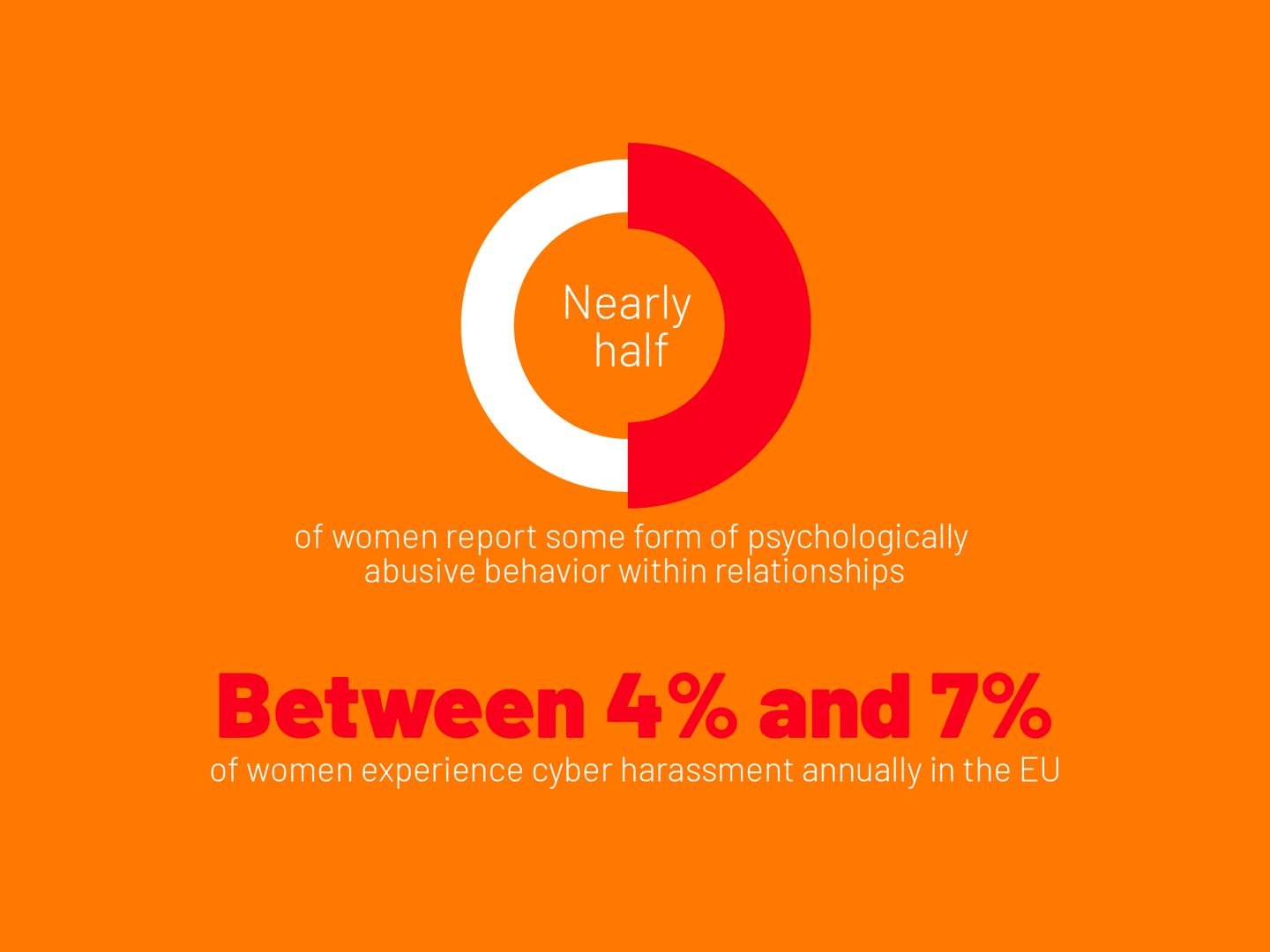
Violence against women and girls manifests in many forms, ranging from physical assault to psychological abuse, domestic violence to cyber harassment. According to the European Union Agency for Fundamental Rights (FRA), one in three women in the EU has experienced physical or sexual violence since the age of 15. More than one in five women have suffered physical or sexual violence from a partner, while nearly half report some form of psychologically abusive behavior within relationships. In recent years, digital platforms have introduced new forms of violence, with 4–7% of women experiencing cyber harassment annually in the EU.
These staggering statistics underscore the need for immediate, coordinated efforts to address, prevent and reduce gender-based violence. Cultural, social, and economic factors complicate these efforts. Often rooted in gender inequality and patriarchal norms, violence against women is perpetuated by harmful societal attitudes, inadequate support systems, and victim-blaming. Furthermore, certain groups, including migrant women, LBTI women, women with disabilities, and women from marginalized communities, face even higher risks due to intersecting vulnerabilities.
Economic and Mental Health Impact
According to the European Institute for Gender Equality (EIGE) in 2022 violence against women exacts an enormous economic toll, costing the EU an estimated €289 billion each year. Cyberviolence alone is estimated to cost an additional €49-89 billion annually. However, the true cost of violence is not only economic but deeply personal. Victims frequently experience fear, anger, shame, and a profound loss of self-confidence, all of which affect their mental and physical well-being.
The Interplay of Mental Health and Intimate Partner Violence
Psychological violence and abuse contribute to a heightened risk of depression, anxiety, post-traumatic stress disorder (PTSD), and suicidal thoughts. Survivors of intimate partner violence (IPV) are more likely to suffer from chronic physical ailments, including headaches, chronic pain, gastrointestinal issues, and sleep disturbances. The trauma can leave them vulnerable, hindering their ability to form new, healthy relationships, and ultimately diminishing their overall quality of life.
Research highlights the bidirectional relationship between IPV and mental health disorders. Women with mental health conditions are more vulnerable to experiencing IPV, while exposure to IPV significantly increases the likelihood of developing mental health issues. This cycle of violence and mental health struggles is exacerbated in environments with socioeconomic stressors, such as poverty or lack of support networks. Notably, studies indicate that children who witness IPV are at higher risk of both experiencing and perpetuating violence as adults, creating a cycle that extends across generations.
The association between substance misuse and IPV further complicates matters. Individuals with mental health challenges are disproportionately affected by substance misuse, which, when combined with mental health disorders, increases the risk of IPV. Additionally, perpetrators of violence may use mental health diagnoses to manipulate or control their victims, labeling them as “unwell” to minimize the abuse or justify their own actions.
Childhood Experiences and Long-term Mental Health Risks
Exposure to violence during childhood significantly impacts a person’s risk of experiencing or perpetrating violence later in life. Early abuse or neglect can distort one’s perception of healthy relationships, leading individuals to normalize abusive behaviors or feel unworthy of respect and care. The developmental consequences of these early experiences are profound, including heightened susceptibility to stress and an increased likelihood of neurodevelopmental impairments, which contribute to perpetuate violence and mental health challenges across generations.
In a UK study, researchers found that IPV in adulthood doubled the risk of depression, even after accounting for childhood abuse experiences. When combined with childhood trauma, the risk of depression and other mental health disorders surged. These findings highlight the importance of early interventions to disrupt the cycle of violence and prevent lifelong psychological harm.
The Digital Extension: Cyberviolence and Mental Health
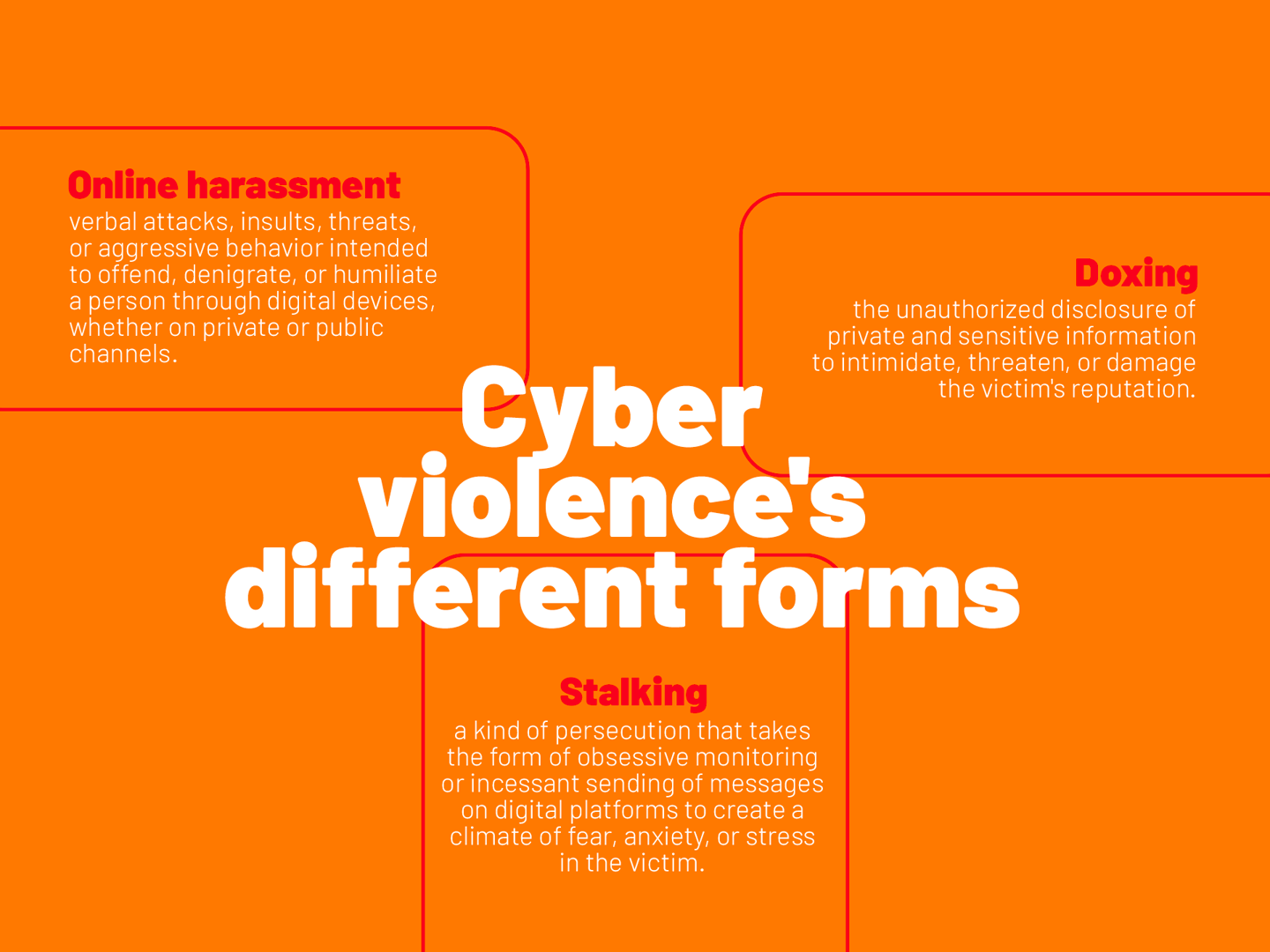
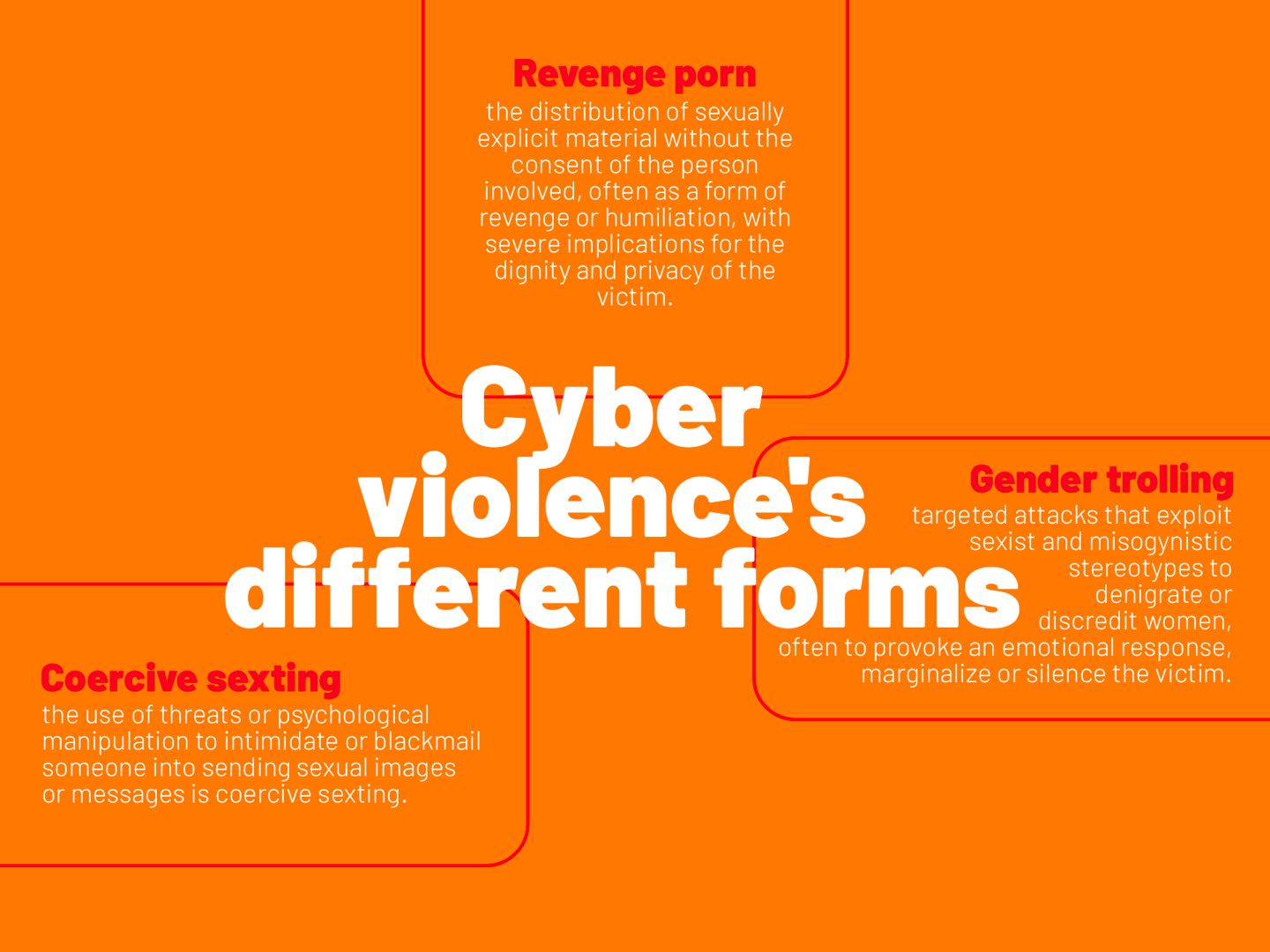
With the rise of digital technologies, violence against women has taken on new forms online. Cyber harassment, including stalking, doxing, and other forms of abuse, is increasingly prevalent, especially among young women with public roles. The impact of cyberviolence can be as severe as that of physical violence, causing anxiety, depression, and social withdrawal. Online violence discourages women from participating in public life, silencing voices and diminishing representation in social, political, and professional spheres.
Building a Supportive Framework for Mental Health Services
Addressing IPV in mental health care requires a trauma-informed, gender-sensitive approach, focusing on the unique needs and challenges faced by survivors. Effective mental health interventions should prioritize safe spaces for disclosing IPV, providing holistic assessments that recognize the impact of violence on mental health and facilitating access to dedicated support services. Mental health practitioners must be trained to conduct private assessments and refer patients they work within a clear referral network to offer targeted support for survivors.
Children and adolescents exhibiting behavioral or emotional difficulties should also be evaluated for IPV exposure, as early intervention is crucial for breaking the cycle of violence. Schools can play a vital role in shaping positive attitudes and modeling respectful relationships, fostering an environment of gender equality and mutual respect from a young age.
A Call to Action: Collaboration to End Violence
To effectively address IPV and its mental health implications, a coordinated, cross-sector approach is essential. Academic institutions, healthcare providers, policymakers, and social services must work together to develop comprehensive data collection methods, core indicators, and intervention outcomes that reflect the real needs and priorities of survivors. Future research should focus on longitudinal studies to better understand the association between mental health and IPV, enabling us to devise evidence-based prevention and intervention strategies.
Violence against women is a complex, multifaceted problem that demands urgent action from all sectors of society. By working together, across sectors, disciplines, and communities, we can create a safer, healthier world for women and girls, free from violence and empowered to thrive.
This is not only a moral imperative but a necessary step toward a more equitable society.
References
- The Lancet Psychiatry Commission on intimate partner violence and mental health: advancing mental health services, research, and policy.
- Preventing intimate partner violence improves mental health (WHO, 2022)
- Almost 1 in 2 women in the EU have experienced psychological violence | European Institute for Gender Equality


